Water damage jobs move fast. Wet drywall has to come out, flooring needs to be pulled, and drying equipment has to be running within hours. But on any older building, that urgency can walk a crew straight into a serious hazard: asbestos.
Water can turn stable, intact asbestos-containing materials (ACM) into crumbling, airborne-fiber sources. Contractors who skip the assessment step put their workers, the property owner, and their own license at risk. This guide covers what to check, what to do, and when to stop work.
Why Water Damage and Asbestos Are a Dangerous Mix
Asbestos was used widely in building materials until the late 1980s, and it remains in many homes and commercial buildings. Intact, undisturbed ACM is generally low-risk. Water damage changes that in three ways:
- Saturated materials degrade:Wet ceiling tiles, plaster, and insulation break down and become friable, meaning they can be crumbled by hand pressure.
- Demolition is unavoidable: Water restoration often means cutting, scraping, and tearing out the very materials that may contain asbestos.
- Drying equipment spreads fibres: Air movers and fans can push released fibers through the whole structure.
Once fibers are airborne, they can be inhaled. Long-term exposure is linked to asbestosis, lung cancer, and mesothelioma. Symptoms can take decades to appear, which is why prevention matters so much.
Which Materials Commonly Contain Asbestos
In buildings constructed before the 1980s, and sometimes later, watch for:
- Popcorn (textured) ceilings and joint compound
- Vinyl floor tiles, sheet flooring, and the mastic beneath them
- Pipe and boiler insulation
- Plaster and cement board
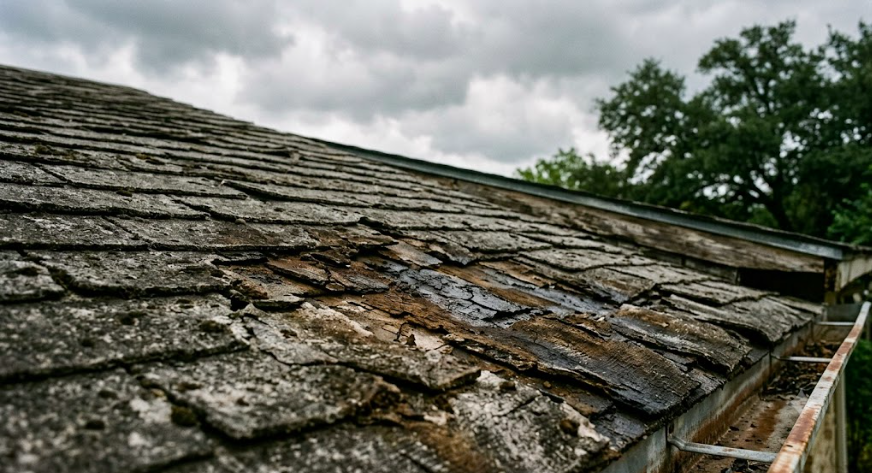
- Roofing felt, shingles, and siding
- Vermiculite attic insulation
- Duct wrap and HVAC insulation
You cannot identify asbestos by sight. Only laboratory testing confirms it.
Step-by-Step: How Contractors Should Handle Suspected Asbestos
1. Stop and Assess Before Demolition
Before any tear-out on an older structure, treat suspect materials as asbestos-containing until proven otherwise. OSHA’s construction standard requires presuming certain older thermal system insulation and surfacing materials to be asbestos unless testing shows otherwise. Review the OSHA asbestos standards so your crew knows the exposure limits and duties that apply on the job.
2. Test Before You Disturb
Hire an accredited asbestos inspector to sample suspect materials, and send samples to an accredited lab. Do not collect samples from damaged, friable material without proper training and protection. Testing typically takes a few days, and it is far cheaper than a contamination cleanup or a regulatory penalty.
3. Understand the Regulatory Requirements
Federal and state rules can apply to water damage renovation and demolition work. The EPA’s asbestos NESHAP rules generally require a thorough inspection before renovation or demolition, and notification to the proper agency when the amount of regulated material exceeds certain thresholds. State and local rules are often stricter. The EPA asbestos program is the best starting point for federal requirements, and you should confirm licensing and notification rules with your state environmental agency, such as Ohio EPA for projects in Ohio.
4. Isolate the Work Area
If asbestos is confirmed or suspected, contain the area:
- Shut down HVAC systems serving the affected zone
- Seal off the work area with plastic sheeting and tape
- Restrict access to essential, protected personnel only
- Do not run air movers or dehumidifiers through the contaminated zone until it is cleared
5. Use Safe Work Practices
If your crew is trained and licensed to handle the material, or when supervising licensed abatement staff:
- Keep materials wet. Wet methods suppress fiber release.
- Never dry sweep or use a standard shop vacuum. Use HEPA-filtered equipment only.
- Avoid breaking materials. Remove them intact where possible.
- Wear proper PPE. That means a fitted respirator with the right filtration, disposable coveralls, gloves, and boot covers.
- Decontaminate before leaving. Bag PPE on site and never take contaminated clothing home.
6. Know When to Stop and Call a Licensed Abatement Contractor
Water restoration crews should not remove significant friable asbestos unless they hold the required certification. If testing is positive, or you find damaged suspect material and cannot rule out asbestos, stop work, secure the area, and bring in a licensed abatement contractor. Restoration can resume once the ACM is properly removed and the area passes clearance.
7. Handle Disposal Correctly
Asbestos waste must be wetted, double-bagged or sealed, labeled, and taken to an approved landfill. Improper dumping carries heavy fines and creates liability that follows the contractor.
Protecting Your Crew and Your Business
Good documentation protects you. Keep records of:
- Pre-demolition inspection and lab results
- Written communication with the property owner about findings
- Worker training and respirator fit-test records
- Air monitoring results and clearance reports
- Waste manifests and disposal receipts
Also confirm that your insurance policy covers asbestos-related claims, since many general policies exclude them.
What Property Owners Should Expect from a Restoration Company
Homeowners dealing with flooding or leaks should ask any contractor whether they test for asbestos before demolition on older properties. A professional restoration company will be upfront about the risks and coordinate with certified specialists when needed. For example, water damage restoration in Akron is best handled by a team that treats material safety as part of the drying and repair process, not an afterthought.
Key Takeaways
- Water damage can make previously stable asbestos friable and dangerous.
- Test suspect materials in older buildings before any tear-out.
- Follow OSHA, EPA, and state rules, including notifications and licensing.
- Contain the area and use wet methods and HEPA equipment.
- Stop work and call licensed abatement professionals when asbestos is confirmed.
- Document everything.
Rushing a water damage repair is never worth exposing workers and occupants to asbestos. A short delay for testing keeps everyone safe and keeps the project compliant.
Need professional asbestos testing, abatement, or consultation? Visit East Coast Asbestos for expert help.
Leave a Reply