
The Hidden Danger Lurking in McAllen’s Older Homes
If you own or live in a home built before 1980 in McAllen, Edinburg, Mission, Pharr, or anywhere across the Rio Grande Valley, a leaking pipe or a damaged roof is never just a simple water problem. Behind the walls, above your ceilings, and beneath your floors, there may be something far more dangerous than moisture quietly waiting to be disturbed asbestos.
Across the McAllen metro area and greater Hidalgo County, many residential properties date back to the 1950s, 1960s, and 1970s decades when asbestos was a standard and widely celebrated building material. Back then, builders and contractors trusted it for its fire resistance, durability, and cost-effectiveness. Today, we know the truth: asbestos is a known human carcinogen, and when water damage disturbs asbestos-containing materials (ACMs), it can set off a chain of events with serious, long-term health consequences for your family.
This guide breaks down exactly what happens when old pipes or roofs leak in pre-1980 homes, why McAllen homeowners need to pay special attention, what the warning signs are, and how to protect yourself. Most importantly, you’ll understand why professional, certified water damage restoration is not just about drying out your floors it’s about keeping your family safe from invisible threats.
What Is Asbestos and Why Was It Used in Homes?
Asbestos Testing is a group of naturally occurring silicate minerals composed of microscopic, needle-like fibers. For much of the 20th century, it was considered a miracle material. It resists heat, fire, and chemical corrosion. It is extraordinarily durable, flexible, and relatively inexpensive to mine and manufacture.
Between the 1930s and the late 1970s, asbestos became ubiquitous in American construction. It was woven into pipe insulation, mixed into floor tiles, applied as spray-on ceiling texture, pressed into roofing shingles, embedded in wall joint compound, and used as a wrapping for heating ducts. Millions of houses, apartment buildings, and other dwellings built between 1940 and the early 1980s were constructed with asbestos-containing components.
It wasn’t until the U.S. Environmental Protection Agency (EPA) began reporting severe health risks in the late 1970s that asbestos use by the construction industry started to sharply decline. Industries were given a phase-out period, meaning companies had a window of years to stop using it which is precisely why many homes built right up until the early 1980s may still contain asbestos. In 1989, the EPA formally banned all new uses of asbestos; in March 2024, the agency finalized a ban on chrysotile asbestos, the most common form used in residential products. However, these bans affect new manufacturing not the materials already installed inside millions of older American homes.
If your McAllen home was built before 1980, there is a very real possibility that asbestos-containing materials are still present in your structure today.
Where Is Asbestos Typically Found in Pre-1980 Homes?
Understanding where asbestos hides is the first step toward protecting yourself. In older homes throughout the McAllen area and the broader Rio Grande Valley, asbestos-containing materials may be present in a wide range of locations:
1. Pipe Insulation
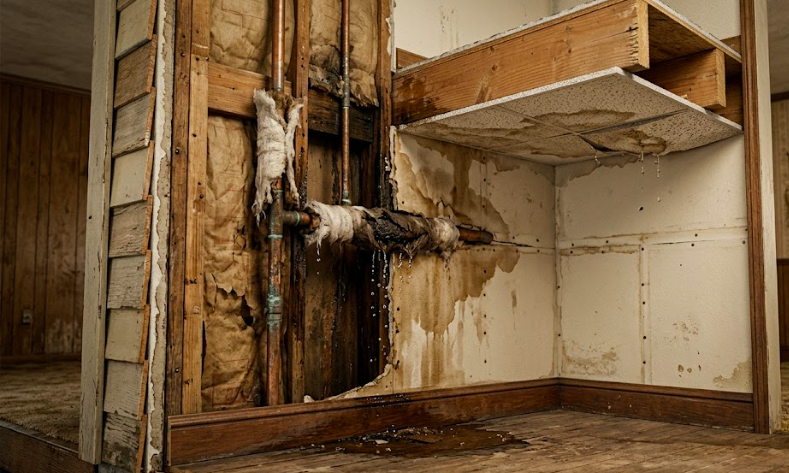
Hot water and steam pipes in older homes were frequently coated with asbestos material, covered with an asbestos blanket, or wrapped with asbestos tape. Many older pipes were encased in asbestos lagging to insulate them and reduce heat loss. You’ll find these most commonly in basements, crawl spaces, utility rooms, and behind walls. If these materials begin to deteriorate or get wet from a leak, fibers can be released.
2. Roofing Shingles and Cement
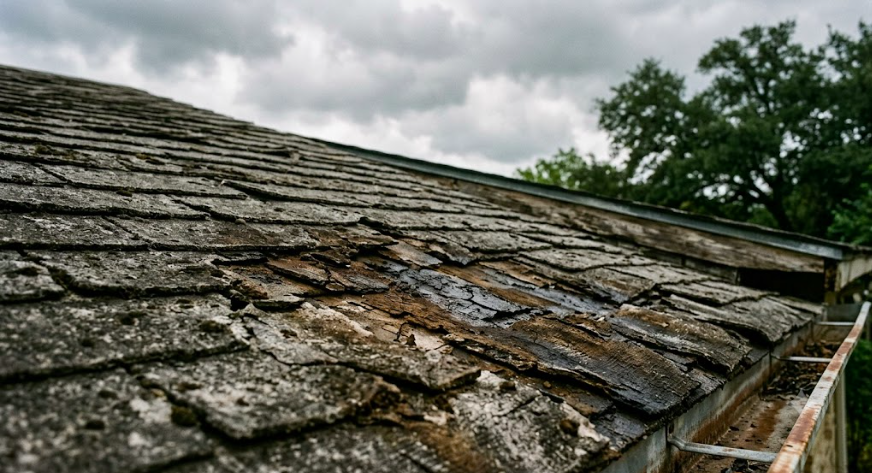
Some roofing and siding shingles were made of asbestos cement, particularly those installed between the 1930s and 1970s. Use of asbestos in shingles peaked between the 1940s and 1970s before regulations were introduced in the 1980s. These cementitious shingles may have a rough, fibrous texture and typically appear gray or dark. While intact shingles pose a low risk, damaged or deteriorating ones especially those compromised by a roof leak significantly raise the danger of fiber release.
3. Ceiling Tiles and Textured Spray Coatings
Popcorn ceilings, spray-on soundproofing, and decorative textured coatings applied before the late 1970s commonly contained asbestos. When water soaks into these materials from a roof leak or a plumbing failure above they can become soft, crumbly, and release fibers. Loose, crumbly, or water-damaged materials are among the most dangerous because they can release fibers simply through air movement, not just physical contact.
4. Vinyl Floor Tiles and Adhesives
Vinyl floor tiles (sometimes called VAT vinyl asbestos tiles) and the adhesives used to install them frequently contained asbestos to make them stronger, fire-resistant, and insulating. A water-damaged floor that begins to buckle, peel, or disintegrate can expose these materials.
5. Drywall, Joint Compound, and Patching Materials
Patching and joint compounds used on wall and ceiling joints, as well as some types of textured paint, may contain asbestos. When water soaks through drywall especially from a plumbing leak behind the wall these materials can become compromised.
6. Insulation Around Furnaces, Boilers, and Ducts
Steam pipes, boilers, and furnace ducts insulated with asbestos blankets or asbestos paper tape remain a concern in many older homes. These materials release fibers if damaged, repaired, or removed improperly.
7. Attic Insulation
Attic insulation, particularly vermiculite insulation, may contain asbestos. This becomes especially dangerous when a roof leak saturates and disturbs attic materials.
Why Water Damage Is the Trigger That Sets Asbestos Free
Here’s the critical connection that many McAllen homeowners don’t realize: asbestos is relatively safe when left completely undisturbed and intact. It becomes a severe health threat when it is disturbed, broken, or damaged and water damage is one of the most common ways this disturbance happens inside a home.
When a pipe leaks or a roof fails and water begins to intrude into your home’s structure, a destructive process begins:
- Drywall becomes soft and friable. As water is absorbed into drywall, the material weakens and crumbles. If that drywall was manufactured or patched with asbestos-containing compound, the fibers are now free to separate and become airborne.
- Ceiling tiles sag and collapse. Water-saturated ceiling tiles particularly old 9-by-9-inch or 12-by-12-inch tiles commonly found in pre-1980 construction can cave in under their own weight, disturbing fibers in the process.
- Pipe insulation absorbs moisture. When the asbestos wrap or lagging around older pipes gets wet, it expands, cracks, and eventually crumbles a state known as being “friable.” Friable asbestos is the most dangerous form because it can release microscopic fibers into the air with minimal force.
- The wet-dry cycle causes cracking. Water damage followed by drying causes repeated expansion and contraction in building materials. This cycle encourages cracks and secondary damage in asbestos-containing materials, allowing fibers to detach over time.
- Improper drying creates additional hazards. During water restoration, the use of high-powered fans and blowers in a space containing asbestos-containing materials can actually propel airborne fibers throughout the home, spreading contamination far beyond the original damage zone.
The EPA has confirmed this risk directly: asbestos can be released into water from the corrosion of asbestos-cement pipes and from the disintegration of asbestos roofing materials. Once fibers are airborne, the damage is invisible you cannot see, smell, or taste asbestos.
The McAllen and Rio Grande Valley Connection: Why This Matters Here
McAllen and the surrounding Rio Grande Valley communities Edinburg, Mission, Pharr, San Juan, Weslaco, Harlingen, and Brownsville have a significant inventory of older housing stock built during the post-war building booms of the 1950s, 1960s, and 1970s. Many of these homes still feature original plumbing, roofing, and insulation from that era.
South Texas also brings unique environmental pressures that increase the likelihood of water damage events in older homes:
- Severe weather and tropical systems. The Rio Grande Valley is no stranger to Gulf Coast storms, heavy rainfall events, and flash flooding. A damaged roof or overwhelmed drainage system can send water cascading through an attic full of old insulation or over asbestos-cement shingles.
- Hard water and pipe corrosion. South Texas is known for exceptionally hard water. The mineral deposits in the water supply accelerate corrosion inside older pipes including pipes that were once wrapped in asbestos insulation. As these pipes corrode and fail, the resulting leaks don’t just damage your home; they disturb decades-old hazardous materials.
- Temperature extremes. McAllen summers bring extreme heat, and occasional winter freezes can cause pipe bursts. Both conditions stress old plumbing systems and roofing materials, increasing the chances of water intrusion events.
- Aging infrastructure. Many pre-1980 homes in the area have never had their original plumbing or roofing assessed for asbestos-containing materials. Without professional inspection, homeowners simply don’t know the risks they are living with.
The asbestos risk in older McAllen and RGV homes is real and documented. Texas Senate Bill 509 even requires municipalities to verify that an asbestos survey has been conducted before issuing renovation or demolition permits for public or commercial buildings — a recognition by the state of Texas that asbestos remains a present-day concern in this region.
The Health Risks: What Happens When You Breathe in Asbestos Fibers
The health consequences of asbestos exposure are among the most serious associated with any building material. When asbestos-containing materials are disturbed including by water damage microscopic fibers become airborne. Once inhaled, these fibers can lodge in lung tissue, where they remain permanently, causing inflammation and scarring over many years or decades.
The diseases caused by asbestos exposure include:
Mesothelioma
Mesothelioma is a rare and aggressive cancer that affects the lining of the lungs (pleural mesothelioma), the abdomen (peritoneal mesothelioma), or the heart. It is almost exclusively caused by asbestos exposure and is nearly always fatal. The latency period the time between exposure and diagnosis can be 10 to 50 years. This is why people who were exposed in older buildings in the 1970s are still being diagnosed today.
Asbestosis
Asbestosis is a chronic, progressive lung disease caused by the scarring of lung tissue from inhaled asbestos fibers. Symptoms include severe shortness of breath, a persistent cough, and chest tightness. There is no cure.
Lung Cancer
Asbestos is a recognized cause of lung cancer, independent of smoking. Importantly, the risk is dramatically multiplied for those who both smoke and have been exposed to asbestos.
Other Cancers
Research has suggested potential links between asbestos ingestion (through contaminated water) and gastrointestinal cancers, including peritoneal mesothelioma. The EPA notes that those consuming water with asbestos fibers above the allowed limit of 7 million fibers per liter over extended periods may face increased health risks.
There is no known safe level of asbestos exposure. Disease symptoms may take many years even decades to develop following exposure, which is why prevention is the only rational strategy.
Warning Signs That Your Pre-1980 Home May Have Been Compromised
Whether you’ve experienced a recent leak or you’re assessing an older property in McAllen or the RGV, here are the key warning signs that asbestos-containing materials may have been disturbed:
- Ceiling coatings that are flaking, soft, or pulling away from the surface particularly after a plumbing leak from above
- Pipe insulation that appears chalky, stringy, cloth-like, white, or gray and has become soft or crumbly
- Old 9″x9″ or 12″x12″ floor tiles that are buckling, cracking, or coming loose after water exposure
- Discoloration, unusual patches, or water staining on walls, floors, or ceilings that could indicate hidden damage to underlying materials
- A musty smell combined with visible deterioration of original building materials in older areas of the home
- A roof that was installed before 1980 and has not been replaced especially one that has experienced storm damage, hail, falling debris, or a visible leak
- Visible damage to pipe insulation in basements, crawl spaces, or utility rooms that looks white, fibrous, or fabric-wrapped
If your home was built before 1980 and you’ve recently experienced any water intrusion event from a burst pipe, a roof leak, a plumbing failure, or flooding treat it as a potential asbestos risk until a certified professional says otherwise.
What NOT to Do After Water Damage in an Older Home
The instinct after a water damage event is to act fast grab towels, set up fans, start pulling up wet carpet. In a newer home, that’s reasonable. In a pre-1980 home in McAllen with potential asbestos-containing materials, doing these things without professional guidance can be seriously dangerous.
Do NOT:
- Attempt DIY cleanup-in areas where water has damaged old ceiling tiles, wall materials, pipe insulation, or vinyl flooring
- Use fans or air movers in potentially contaminated spaces-high-velocity airflow can disperse asbestos fibers throughout your home
- Pull up damaged flooring yourself-old vinyl tile adhesives and the tiles themselves may contain asbestos, and dry-scraping releases fibers
- Remove damaged pipe insulation-only certified professionals have the equipment and training to safely handle asbestos-wrapped pipes
- Sand, scrape, drill, or saw any original building material-until testing has confirmed it is asbestos-free
- Assume the water damage is “just cosmetic”-water that has reached structural materials in a pre-1980 home may have set off a chemical and physical reaction with asbestos materials
The U.S. Consumer Product Safety Commission advises that removal of asbestos materials poses the greatest risk of fiber release and should always be conducted by trained professionals, not homeowners.
What You SHOULD Do: The Correct Response to Water Damage in Pre-1980 Homes
Acting quickly and correctly is essential. Here is a step-by-step approach for McAllen homeowners:
Step 1: Control the Water Source
Stop the leak at its source. Shut off the water supply if it’s a plumbing leak. Contact your emergency services if it’s a roof failure during a storm. Stopping additional water intrusion is the first priority.
Step 2: Document Everything
Take photographs and video of all affected areas before any cleanup or restoration work begins. This is important for insurance claims and for giving restoration professionals a complete picture of the damage.
Step 3: Do Not Enter Heavily Damaged Areas
If the water has saturated areas containing popcorn ceilings, pipe insulation, old floor tiles, or wallboard in a home built before 1980, do not enter or disturb those areas. Keep family members and pets out.
Step 4: Call a Professional Water Damage Restoration Company One That Understands Asbestos Risks
This is the most important step. Not all restoration companies are equipped to handle the asbestos dimension of older-home water damage. You need a team that understands the intersection of water damage and hazardous materials. McAllen TX Water Damage provides professional water damage restoration services in McAllen and the Rio Grande Valley, with the expertise to assess, respond, and restore while keeping your family safe.
Step 5: Request a Certified Asbestos Assessment
Before any drying, demolition, or structural repairs begin in a pre-1980 home, a certified asbestos inspector should evaluate the affected areas. Samples are collected by trained professionals and sent to a certified laboratory for analysis. Only lab testing can confirm the presence or absence of asbestos.
Step 6: Allow Professionals to Handle Remediation
If asbestos-containing materials are found to be damaged, they must be removed by licensed asbestos abatement professionals using specialized protective equipment and safe disposal methods. Once abatement is complete, the water damage restoration process water extraction, structural drying, moisture monitoring, and repairs can proceed safely.
Step 7: Get a Clearance Inspection
After abatement and restoration, a clearance inspection by an independent certified industrial hygienist confirms that asbestos fiber levels in the air are within safe limits before your family returns to normal use of the space.
Asbestos and Old Pipes Specifically: A Closer Look at Plumbing Risks
Plumbing-related water damage is one of the leading causes of home water intrusion events in the McAllen area and it carries its own specific asbestos risks:
Asbestos-Wrapped Pipe Insulation
Many older pipes were wrapped in asbestos lagging a type of insulation that looks stringy, fluffy, or fabric-like. When a pipe inside that insulation develops a leak, the water soaks into the asbestos wrapping, causing it to expand, swell, and eventually crumble. This “friable” state is when fiber release is at its most dangerous.
Asbestos-Cement Pipes (Transite Pipes)
Asbestos-cement pipes, also known as transite pipes, were used widely across the United States throughout the 1900s. Nationally, approximately 18 percent of the United States and Canada’s water distribution pipes are transite, and these pipes can contain up to 20 percent asbestos. Although the EPA effectively banned new AC pipe use in the early 1980s, existing pipes were never required to be replaced. As these pipes age and begin to corrode, they can release fibers into the water supply itself.
Connectors, Gaskets, and Fittings
Pipe elbows, couplings, gaskets, valves, and flanges on pipes installed before the 1980s could also contain asbestos. Because asbestos strengthened these components and improved heat and chemical resistance, it was especially popular in fittings for pressurized and heated pipes.
What to Watch For in McAllen Homes
If your home has original plumbing from the 1970s or earlier and you notice pipe insulation that appears:
- White, chalky, or cloth-like in texture
- Soft, crumbling, or pulling away from the pipe
- Discolored or wet after a leak
…treat it as a potential asbestos hazard and call a professional immediately.
Asbestos and Old Roofs Specifically: What Happens When Your Roof Leaks
Roof leaks are among the most underestimated water damage events for McAllen homeowners and in pre-1980 homes, they come with an asbestos dimension that many people never consider.
Asbestos Roofing Shingles
Roofing and siding shingles made of asbestos cement were a popular choice in homes built between the 1930s and the early 1980s. These shingles were prized for their fire resistance, durability, and cost-effectiveness. The key safety distinction is between intact and damaged materials:
- Intact asbestos-containing roofing-generally poses a low immediate risk when it remains undamaged and firmly bound in the shingle matrix.
- Deteriorating or crumbling shingles-have a higher risk of fiber release, particularly during wind events, heavy rainfall, or any physical contact.
- Storm or impact damage-hail, falling branches, high winds can fracture asbestos shingles and initiate fiber release.
When a McAllen homeowner’s pre-1980 roof suffers storm damage, the combination of physical impact and subsequent water intrusion creates a two-pronged hazard: the structural shingles may release fibers outside, while water entering through the damaged roof saturates attic insulation and ceiling materials that may also contain asbestos.
The Wet-Damage Cascade
When a roof leak allows water to penetrate into an older home, the cascade of damage typically works like this:
- Water enters through damaged or missing shingles (which may themselves be asbestos-cement)
- Attic insulation potentially vermiculite containing asbestos absorbs water and deteriorates
- Water migrates through ceiling joists and soaks into ceiling tiles or drywall below
- Popcorn ceiling texture or joint compound with asbestos content becomes friable
- The ceiling material begins to crack, sag, and eventually peel or drop releasing fibers into the living space below
By the time a homeowner sees a water stain on the ceiling, multiple layers of potentially asbestos-containing material may already be compromised above them.
The Asbestos-Mold Double Threat
One reason McAllen homeowners should never delay professional response to water damage in older homes is that the hazards compound quickly. Alongside asbestos, water damage in pre-1980 homes creates ideal conditions for mold growth which typically begins within 24 to 48 hours of a water event.
Mold remediation in a space containing asbestos-containing materials requires a careful, staged approach:
- Asbestos testing must come first
- Any asbestos abatement must be completed before mold remediation begins
- Aggressive air scrubbing for mold must not be initiated in a space where asbestos fibers may be present
A general restoration contractor who doesn’t understand this sequence can inadvertently create a mold remediation process that becomes an asbestos exposure event. This is why choosing an experienced, knowledgeable water damage restoration partner in McAllen matters enormously.
Insurance Considerations for Older McAllen Homes
Asbestos remediation and water damage restoration in pre-1980 homes can be expensive. Here’s what McAllen homeowners should know about insurance:
- Document everything immediately. Photographs and professional assessments are your most important tools when filing a claim.
- Most standard homeowner’s policies cover “sudden and accidental” water damage but not gradual leaks or deferred maintenance.
- Asbestos abatement costs may or may not be covered depending on your policy. Some policies specifically exclude asbestos remediation, while others cover it as part of the cost to restore the property to its pre-damage condition.
- Work with your restoration company on the claim. A professional restoration company with experience in the McAllen market can help document the full scope of damage and the necessity of asbestos testing and abatement as part of the restoration process.
It is always advisable to review your homeowner’s policy in detail and speak with your insurance agent about asbestos-related coverage if you own a pre-1980 home.
How to Reduce Your Risk Going Forward
If you own a pre-1980 home in McAllen or anywhere in the Rio Grande Valley, proactive steps now can significantly reduce your risk of an asbestos-related emergency later:
Get a Pre-Renovation Asbestos Survey
Before any renovation, remodeling, or repair work in a pre-1980 home including plumbing or roofing repairs have a certified asbestos inspector conduct an assessment. Texas Senate Bill 509 reflects the state’s recognition that these surveys are essential before major work begins.
Maintain Your Roof and Plumbing
Regular inspections and prompt repairs of roofing and plumbing systems reduce the chance of a sudden water intrusion event. In the McAllen climate, schedule annual roof inspections before hurricane season and after major weather events.
Monitor Known ACM Locations
If you know or suspect asbestos-containing materials are present in your home (and have chosen not to remove them, as intact ACMs are often best left undisturbed), conduct regular visual inspections. Look for signs of deterioration, softening, crumbling, or discoloration. Address any water leaks immediately.
Control Indoor Moisture
Use dehumidifiers and ensure proper ventilation throughout your home, especially in crawl spaces, basements, and attics. Keeping humidity levels in check reduces the rate of deterioration in asbestos-containing building materials.
Educate Your Household
Everyone in your home should know not to disturb pipe insulation, old ceiling tiles, or original flooring in a pre-1980 home — especially if it appears to be crumbling or damaged. Simple actions like drilling into a wall or scraping an old floor can become hazardous events.
Have Emergency Numbers Ready
Know in advance who to call for professional water damage restoration in McAllen. When water damage happens, minutes matter. Having a trusted, certified restoration company’s number on hand means you won’t waste valuable time searching while a leak continues to spread.
Why Choose a Professional Water Damage Restoration Company in McAllen
Not all water damage restoration companies are created equal especially when it comes to older homes with potential asbestos hazards. When selecting a restoration partner for your McAllen home, look for:
- IICRC certification-the gold standard for restoration professionals
- Experience with pre-1980 homes-and an understanding of asbestos-containing materials
- Coordination with certified asbestos inspectors and abatement professionals
- 24/7 emergency availability-water damage doesn’t wait for business hours
- Transparent documentation and insurance coordination
- Local knowledge of McAllen and the Rio Grande Valley
When your older McAllen home faces a plumbing failure or storm-related roof damage, McAllen TX Water Damage is equipped to respond fast, assess comprehensively, and restore safely protecting your home and your family from the full scope of water damage risks in pre-1980 structures.
External Resources for McAllen Homeowners
For additional authoritative information on asbestos risks and regulations, McAllen homeowners can consult these trusted sources:
- U.S. Environmental Protection Agency (EPA) Asbestos Information: The EPA’s comprehensive resource on asbestos in the home covers identification, health risks, and safe handling. Visit https://www.epa.gov/asbestos/learn-about-asbestos for guidance directly from the federal agency responsible for asbestos regulation.
- U.S. Consumer Product Safety Commission (CPSC) Asbestos in the Home: The CPSC’s homeowner guide details exactly where asbestos can be found in older homes and what to do and not do about it. Visit https://www.cpsc.gov/safety-education/safety-guides/home/asbestos-home for their free safety guide.
Conclusion: Water Damage in Pre-1980 McAllen Homes Is a Two-Problem Emergency
A leaking pipe or a failing roof in any home is urgent. In a McAllen home built before 1980, it is a two-problem emergency: the immediate damage of water intrusion, and the invisible, potentially life-altering threat of disturbed asbestos.
The good news is that with the right response fast action, professional assessment, and certified restoration both problems can be managed safely. The key is not to go it alone, not to reach for DIY solutions, and not to underestimate what’s hiding inside the walls, floors, and ceilings of older South Texas homes.
Water damage does not announce itself with a health warning label. In a pre-1980 home, that responsibility falls on you, the homeowner and on the professionals you trust to help you respond. Make sure those professionals understand the full picture.
If you’ve experienced water damage in an older McAllen home or you want to assess your risk before a crisis occurs contact McAllen TX Water Damage today for a professional assessment and peace of mind.
Leave a Reply